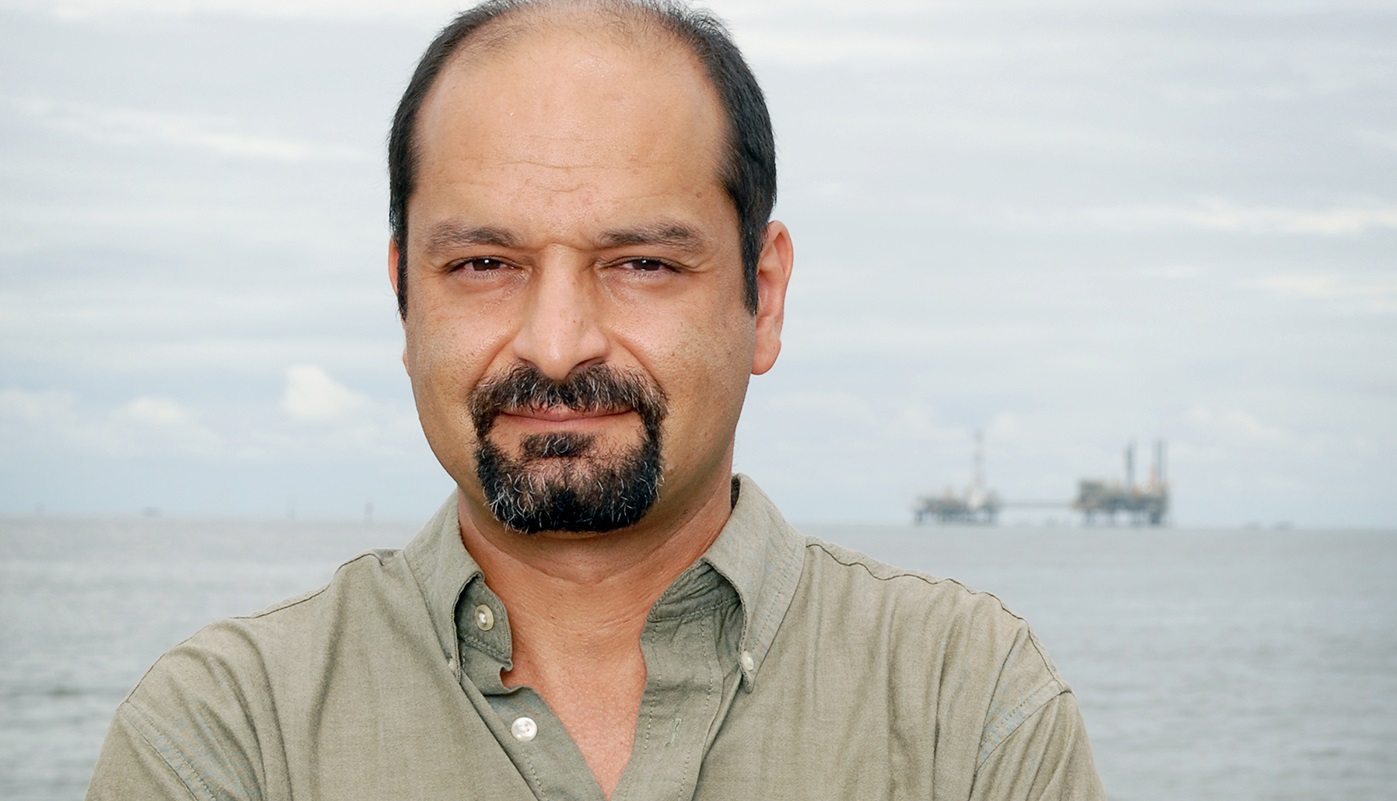
Nearly a Third of Mobile Bay Marshes Gone Since 1980s, Study Finds
About half a football field of marshes on the edges of Mobile Bay vanished annually over the past 35 years, according to a study by researchers at The University of Alabama.
About half a football field of marshes on the edges of Mobile Bay vanished annually over the past 35 years, according to a study by researchers at The University of Alabama.
In the latest quarterly survey by researchers at The University of Alabama, business leaders in the state are feeling more encouraged about the economy than they have since the global pandemic began.
A national survey of women veterans hopes to provide the first comprehensive snapshot of the challenges they face transitioning to civilian life, providing veteran service organizations with data needed to expand outreach and better meet needs.
UA faculty will no longer be charged a fee for publishing articles in any of the nearly 400 open access academic journals.
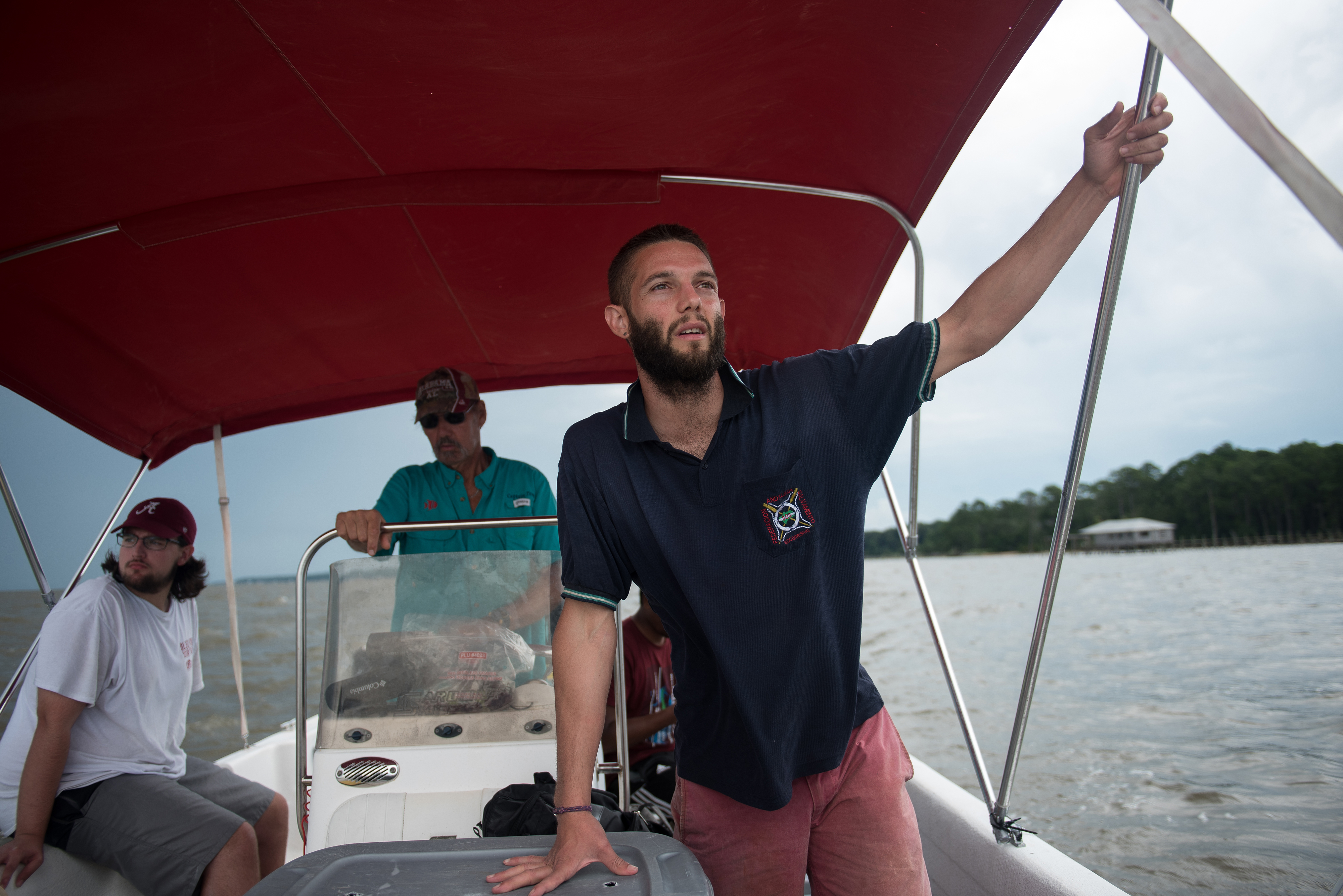
The international study involves data from Mobile Bay collected by researchers at The University of Alabama.
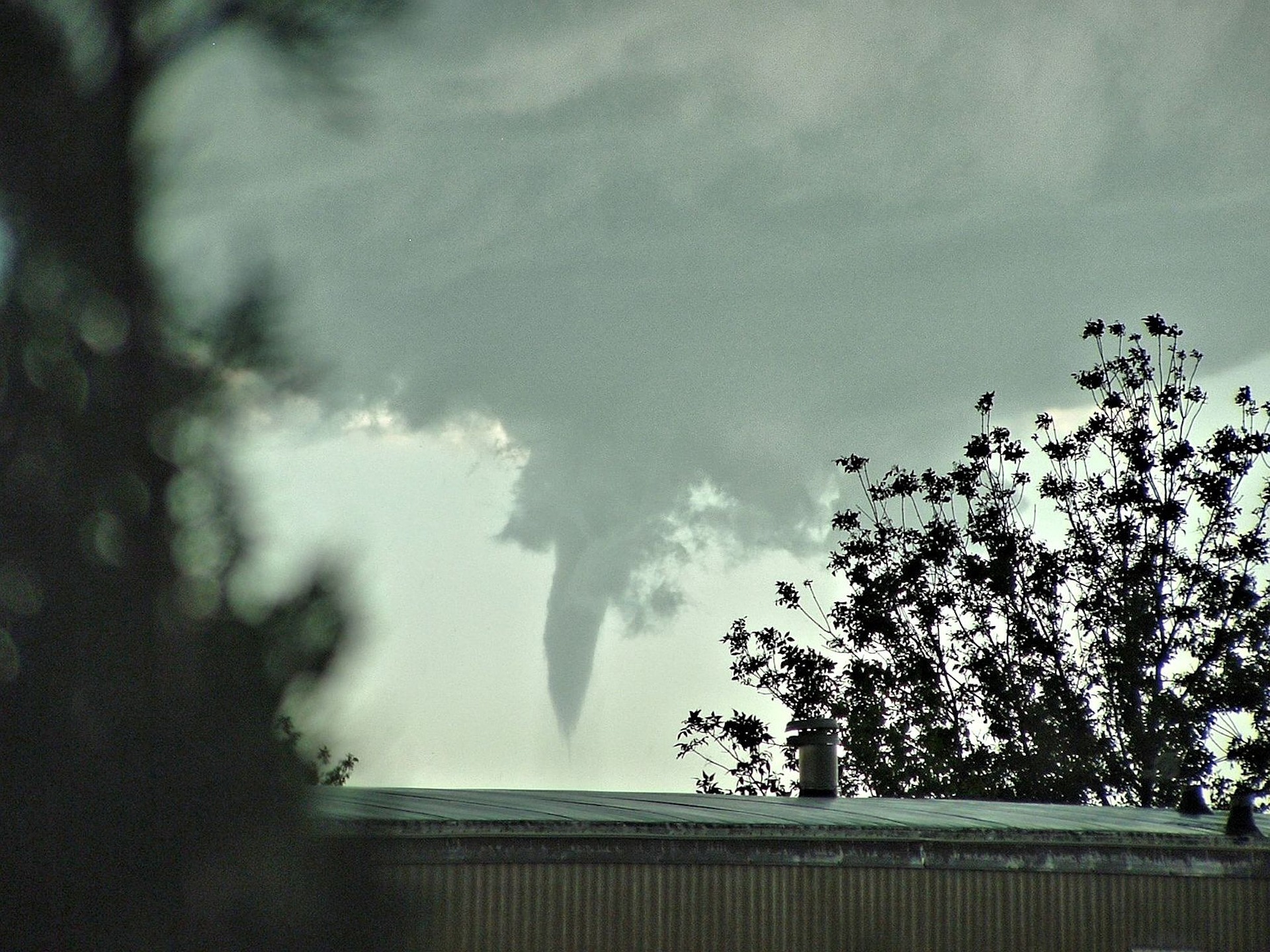
The University Corporation for Atmospheric Research, or UCAR, has awarded a grant to Dr. Cory Armstrong to examine the effectiveness of tornadic-related weather information on the general public.
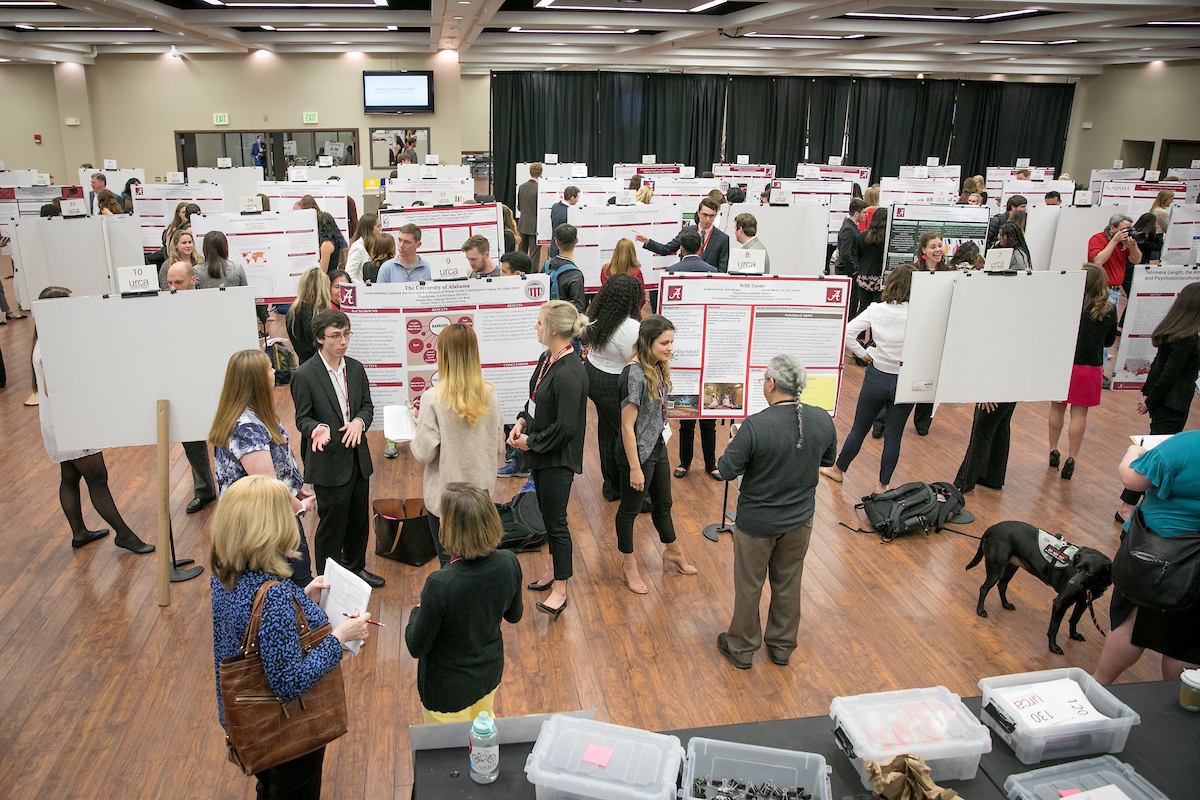
About 350 students are participating, and all faculty and staff are invited to attend.
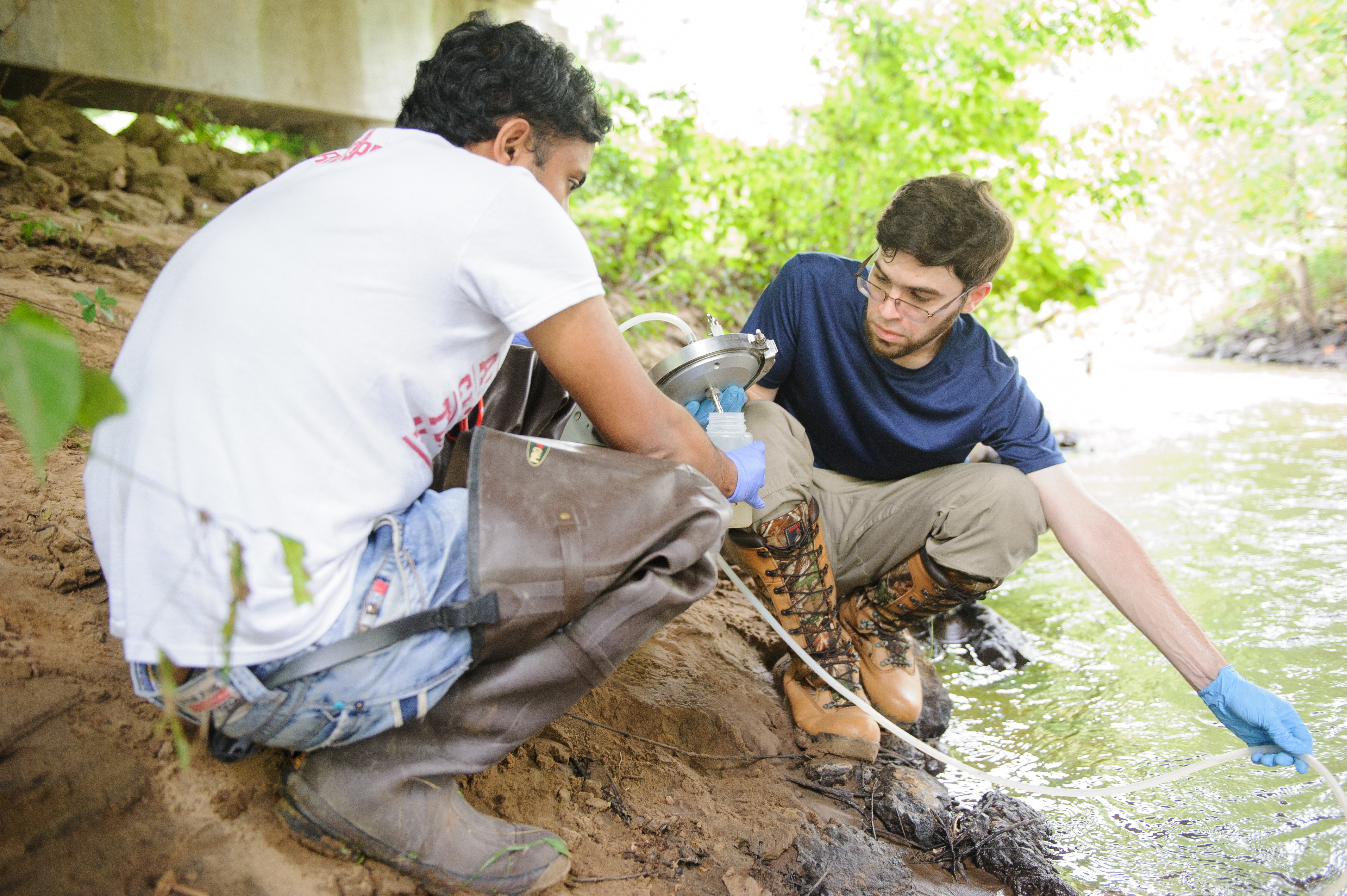
Recently announced federal funding will move forward an ambitious project to demonstrate effective solutions to raw sewage draining into the waterways of the state’s Black Belt region.

Two researchers from The University of Alabama are part of an international project that detected a cosmic interaction never observed before, but predicted 60 years ago.
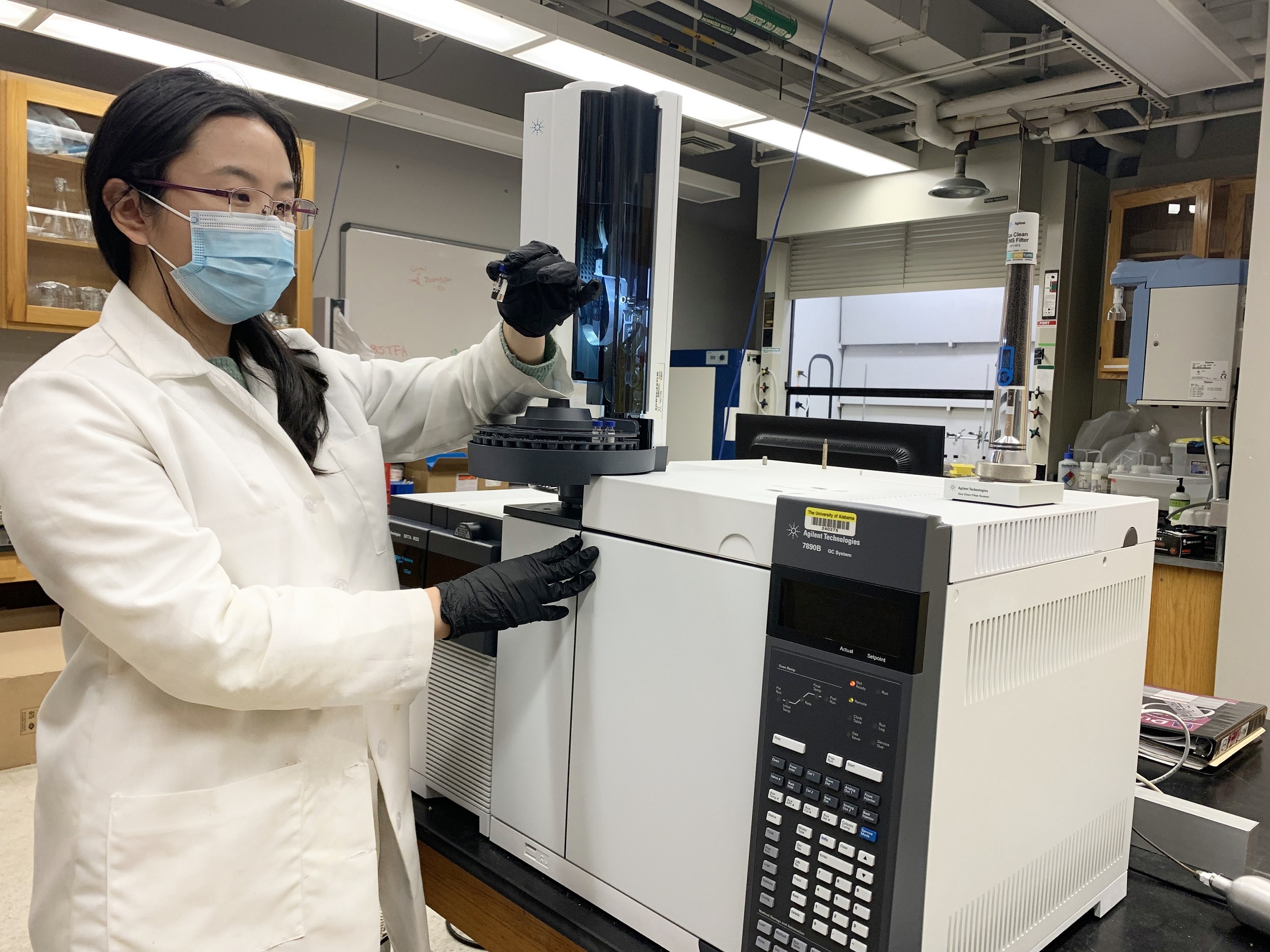
Ancient rocks from Tennessee revealed the Earth’s rotation and orbit around the Sun controlled the timing of oceanic dead zones in a mass extinction of marine life about 370 million years ago.