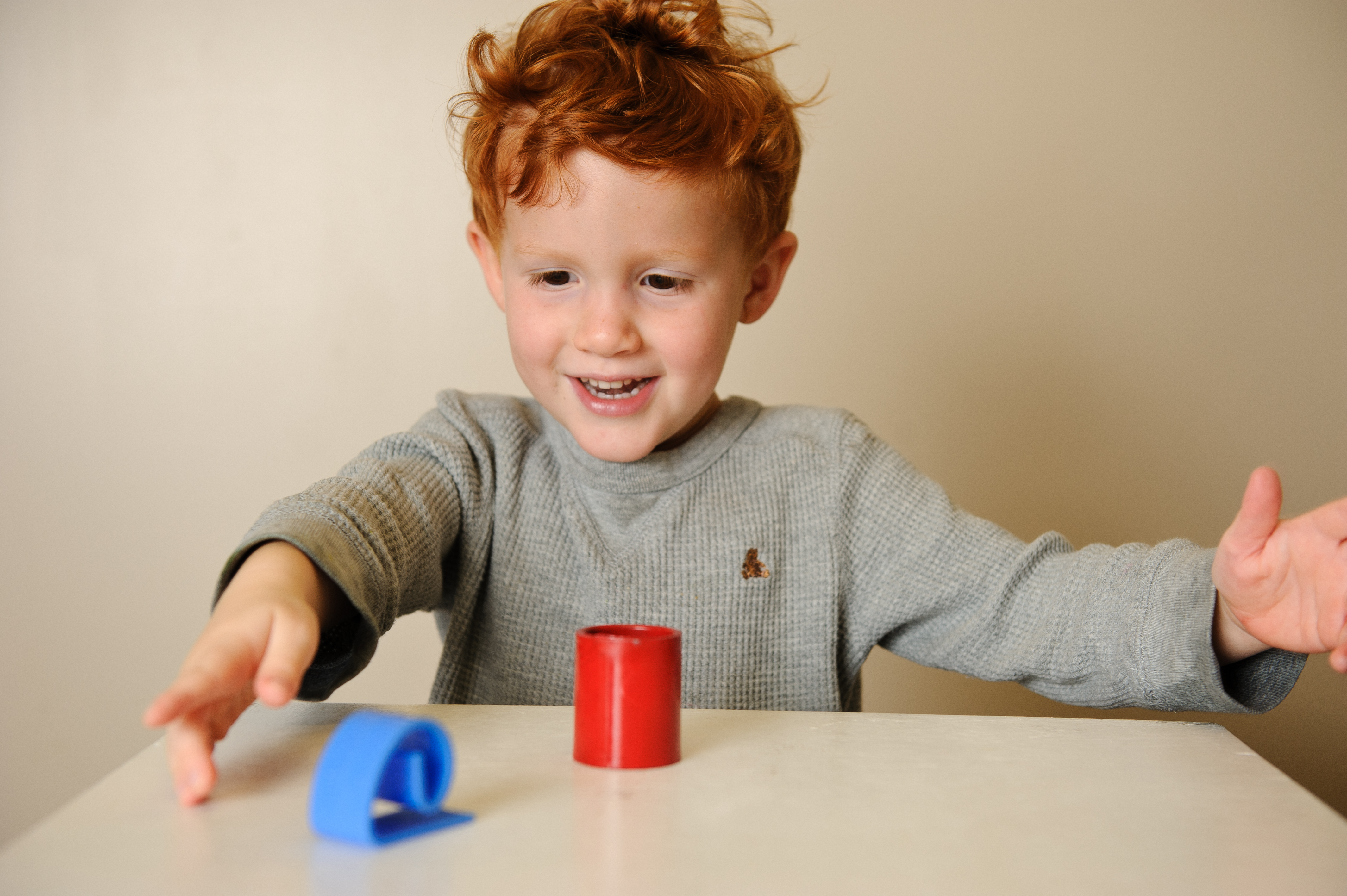
Learning the Language
The University’s ABCD Lab seeks answers about the nature of children’s language development.
The University’s ABCD Lab seeks answers about the nature of children’s language development.
By using liquid salts during formation instead of harsh chemicals, fibers that conduct electricity can be strengthened, according to a patent issued to a team of researchers at The University of Alabama.
Faculty from The University of Alabama and community members from Alabama’s Black Belt region have been awarded $45,000 to support a childhood obesity prevention plan through Project UNITED’s Intervention Pilot Program.
The University of Alabama’s Culverhouse College of Commerce is partnering with advanced technology company Lockheed Martin to combine academia and industry to create a first-of-its-kind data analytics laboratory to help companies better compete in a global economy.
A type of lipid that naturally declines in the aging brain impacts – within laboratory models used to study Parkinson’s disease – a protein associated with the disease, according to a study co-authored by University of Alabama researchers.
Adult volunteers 19 years or older are needed for a research study on hearing conducted by The University of Alabama’s department of communicative disorders.
Reginald D. Hyde, former deputy undersecretary of defense for intelligence and security in the U.S. Department of Defense, has been named executive director of the Cyber Institute at The University of Alabama.
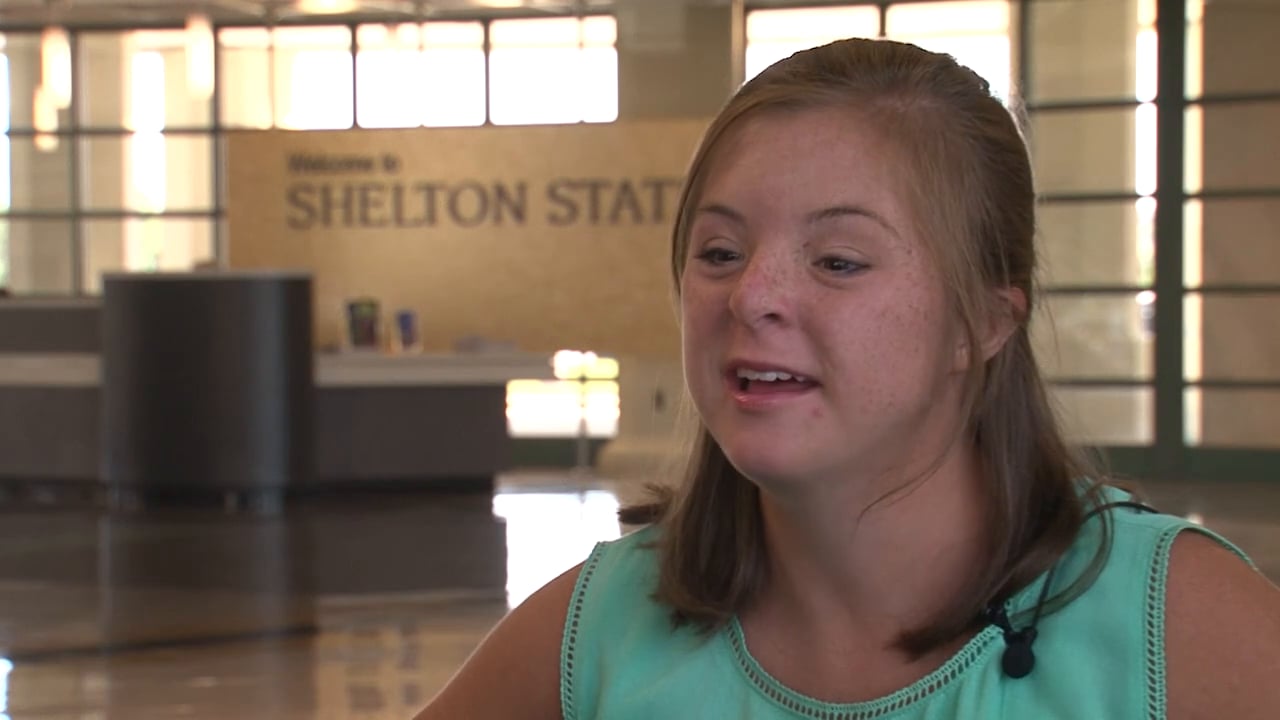
Research taking place at The University of Alabama’s RISE program is influencing early childhood education for children with and without special needs. Since 1974, more than 10,000 children have benefitted from this environment of inclusion and acceptance. Today, there are six RISE schools in four states modeled after the program at UA. This video highlights
Three University of Alabama physicists are among dozens of researchers planning and developing a new international search for dark matter – invisible material scientists believe makes up roughly 27 percent of the universe’s mass.
Kristin R. Di Bona, a doctoral candidate and graduate research assistant in The University of Alabama’s department of biological sciences, has been named the 2014 recipient of the Teratology Society’s Marie W. Taubeneck award.