
ALRI Awards Funds to Faculty to Address Neurodegenerative Diseases
Promising faculty members Drs. Lukasz Cielsa, Yuping Bao and Stanislava Chtarbanova-Rudloff will use funds awarded to support basic science research in the area of neurodegeneration.
Promising faculty members Drs. Lukasz Cielsa, Yuping Bao and Stanislava Chtarbanova-Rudloff will use funds awarded to support basic science research in the area of neurodegeneration.

Dr. Allen Parrish is returning to The University of Alabama as executive director of the Alabama Transportation Institute.

Five students from The University of Alabama College of Communication and Information Sciences will soon travel to Iowa to participate in a unique field research experience ahead of the Feb. 3 Iowa caucuses.

As of January, The University of Alabama Libraries’ Institutional Repository achieved a major milestone in receiving its 1 millionth visit since its 2017 inception.
Eight faculty members have been selected as Alabama Life Research Institute Fellows at The University of Alabama as part of ALRI’s commitment to establishing a foundation of collaboration within the University.
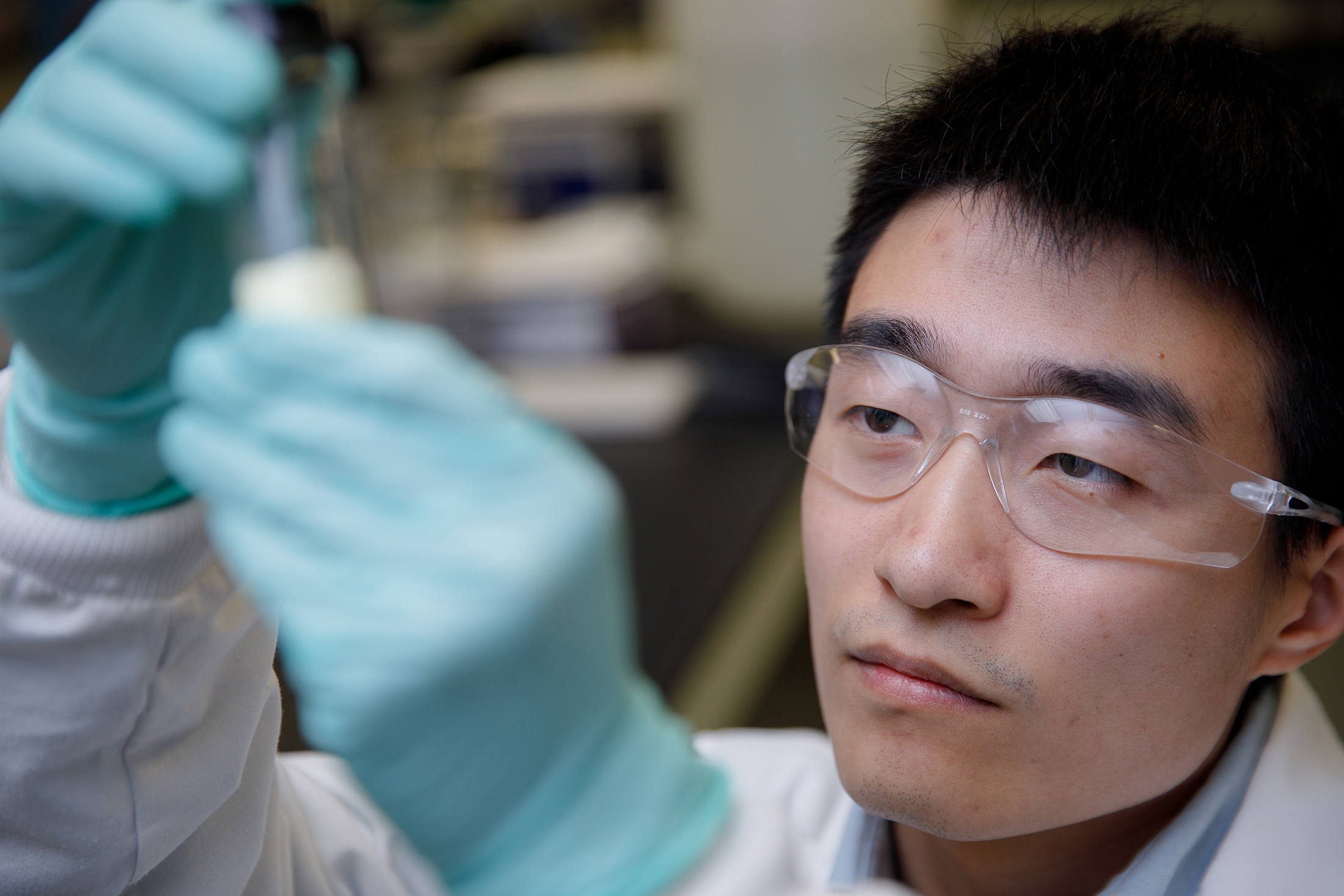
Two inventive projects are participating in the National Science Foundation Innovation Corps, or I-Corps, Teams program. It provides university researchers entrepreneurial education, mentoring and funding to accelerate innovation to attract third-party funding and bring technology to the market.

The majority of popular films, including those for children, have at least one torture scene, and the scenes are usually depicted as achieving the torturer’s goal, according to a study involving a researcher at The University of Alabama.
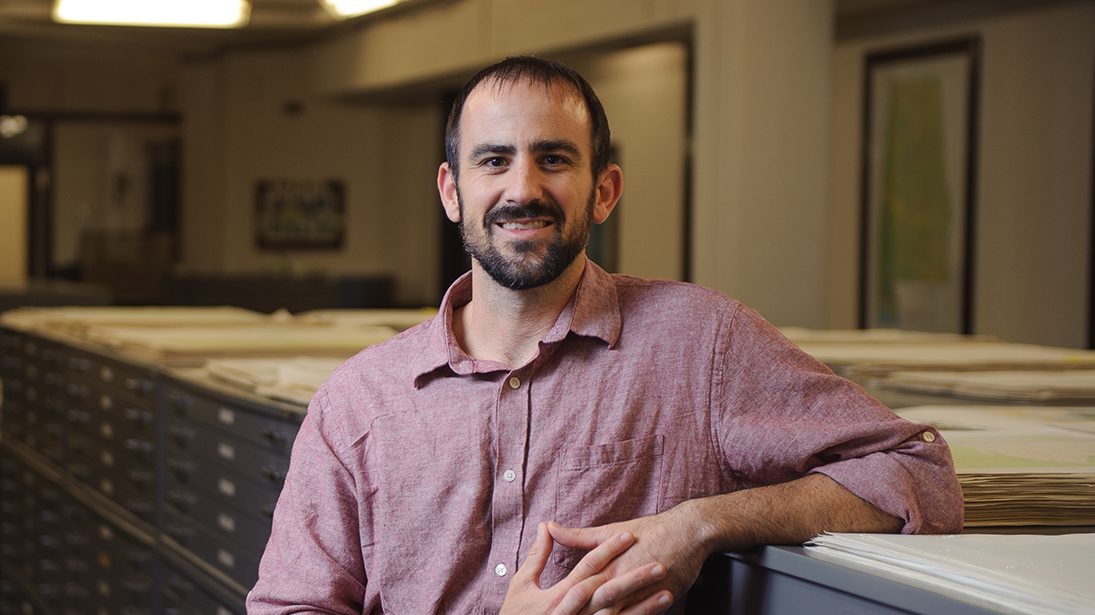
For a full picture of how humans change land, decision-makers need to see the scope of illicit activities, according to a recently published paper that includes work from a scientist at The University of Alabama.
With two new hires, the senior leadership team for The University of Alabama Office for Research and Economic Development is complete.
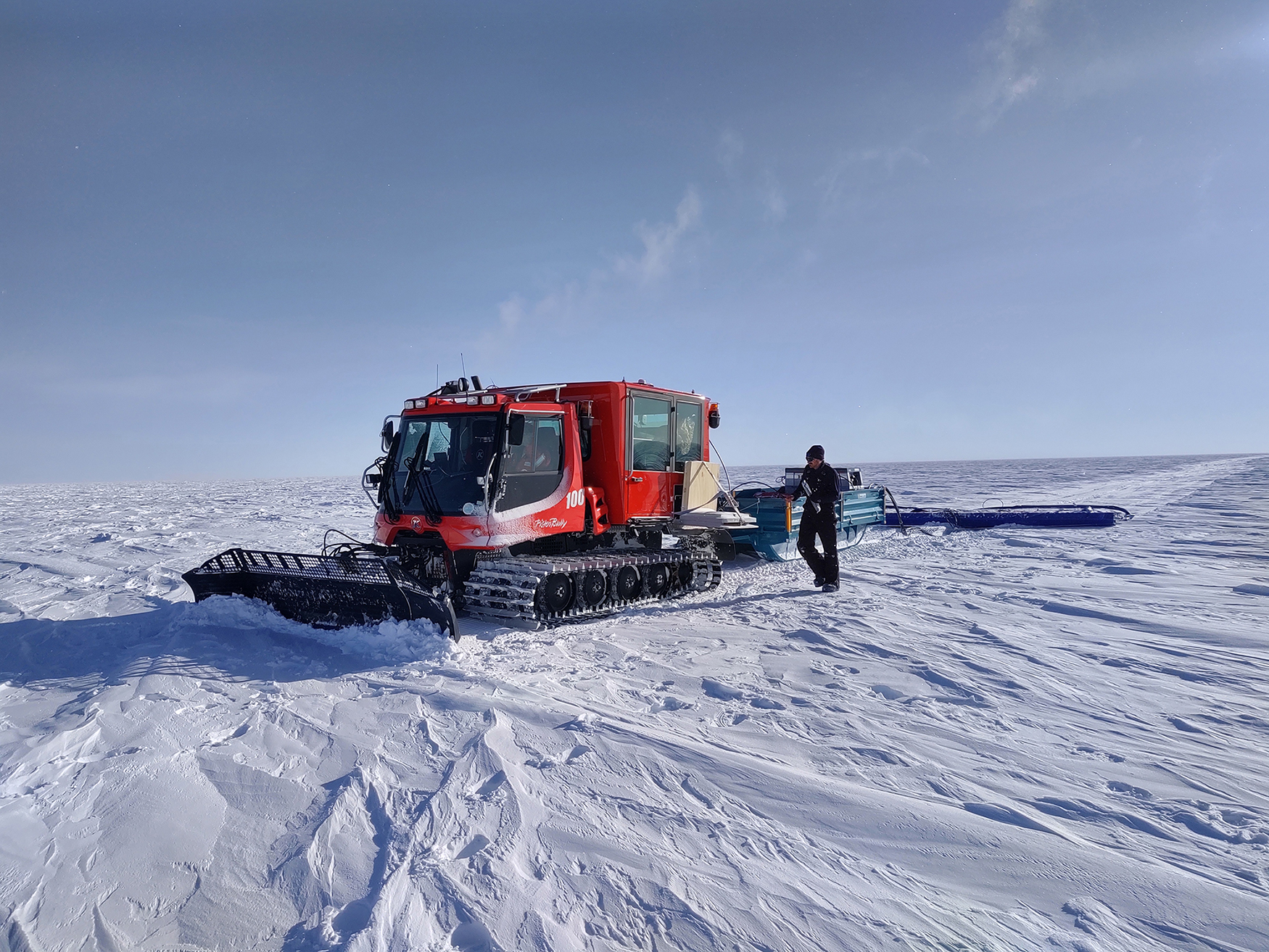
A unique radar developed by engineering researchers at The University of Alabama helped find the location to recover some of the oldest ice buried in Antarctica as part of an international effort to better understand the Earth’s climate history.