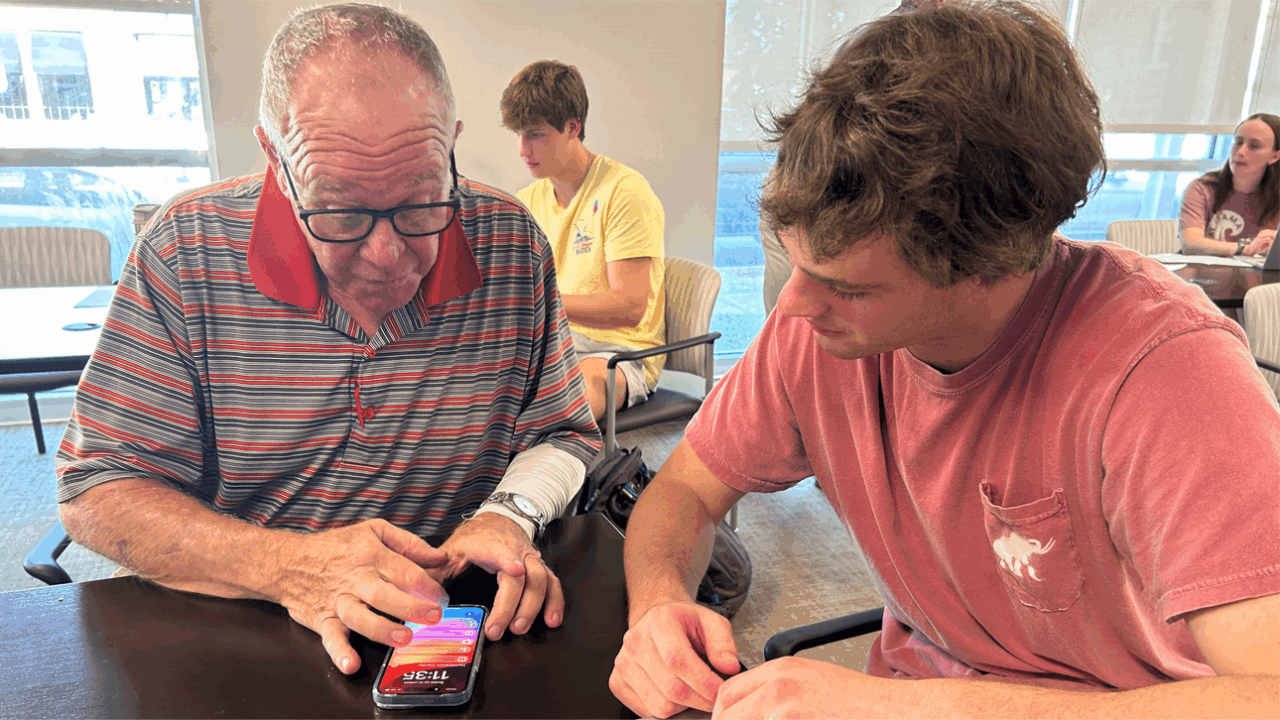
Because of a collaboration between Central Alabama Veterans Collaborative and Culverhouse LIFT, UA students are helping veterans learn digital technology.
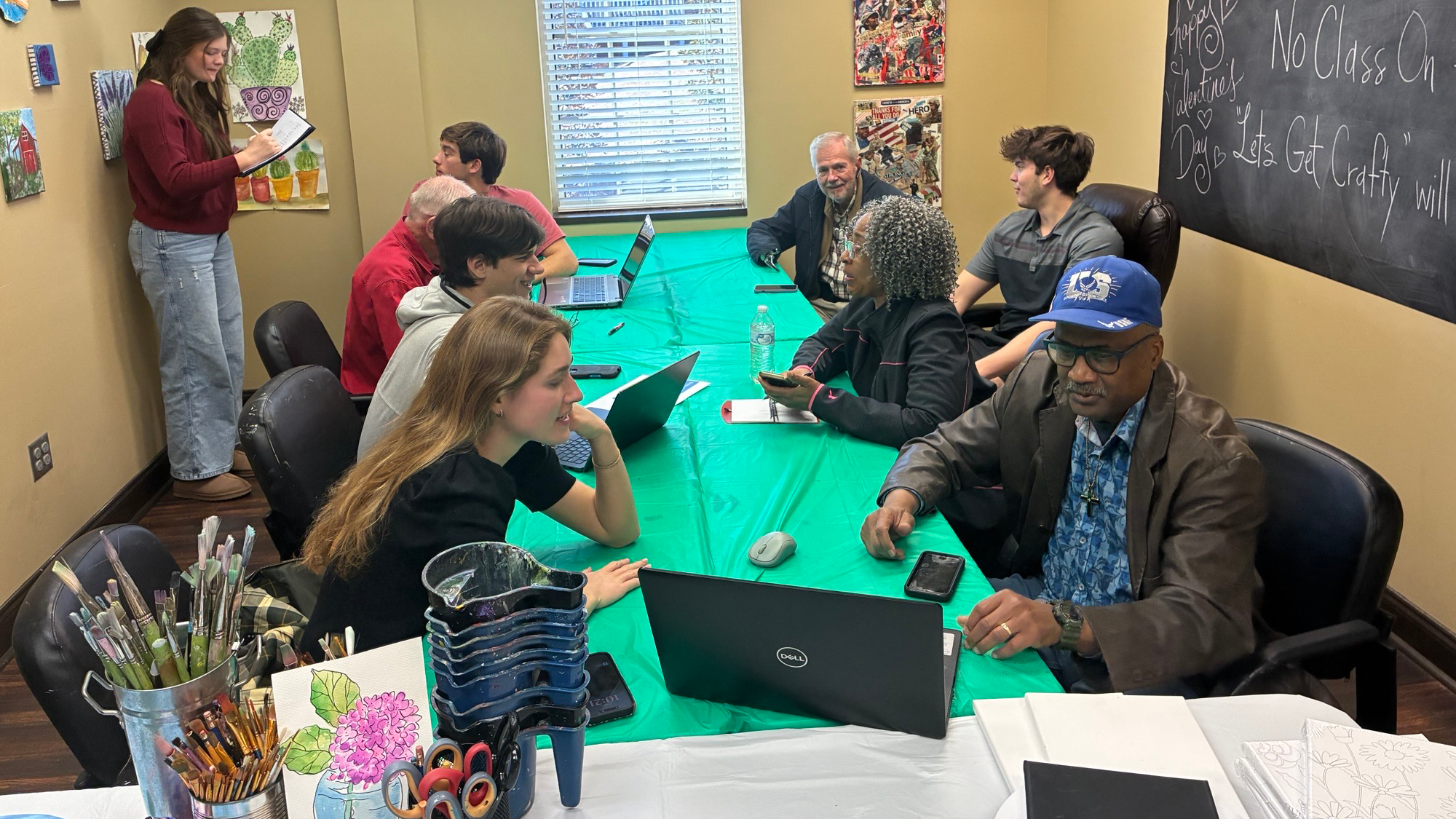
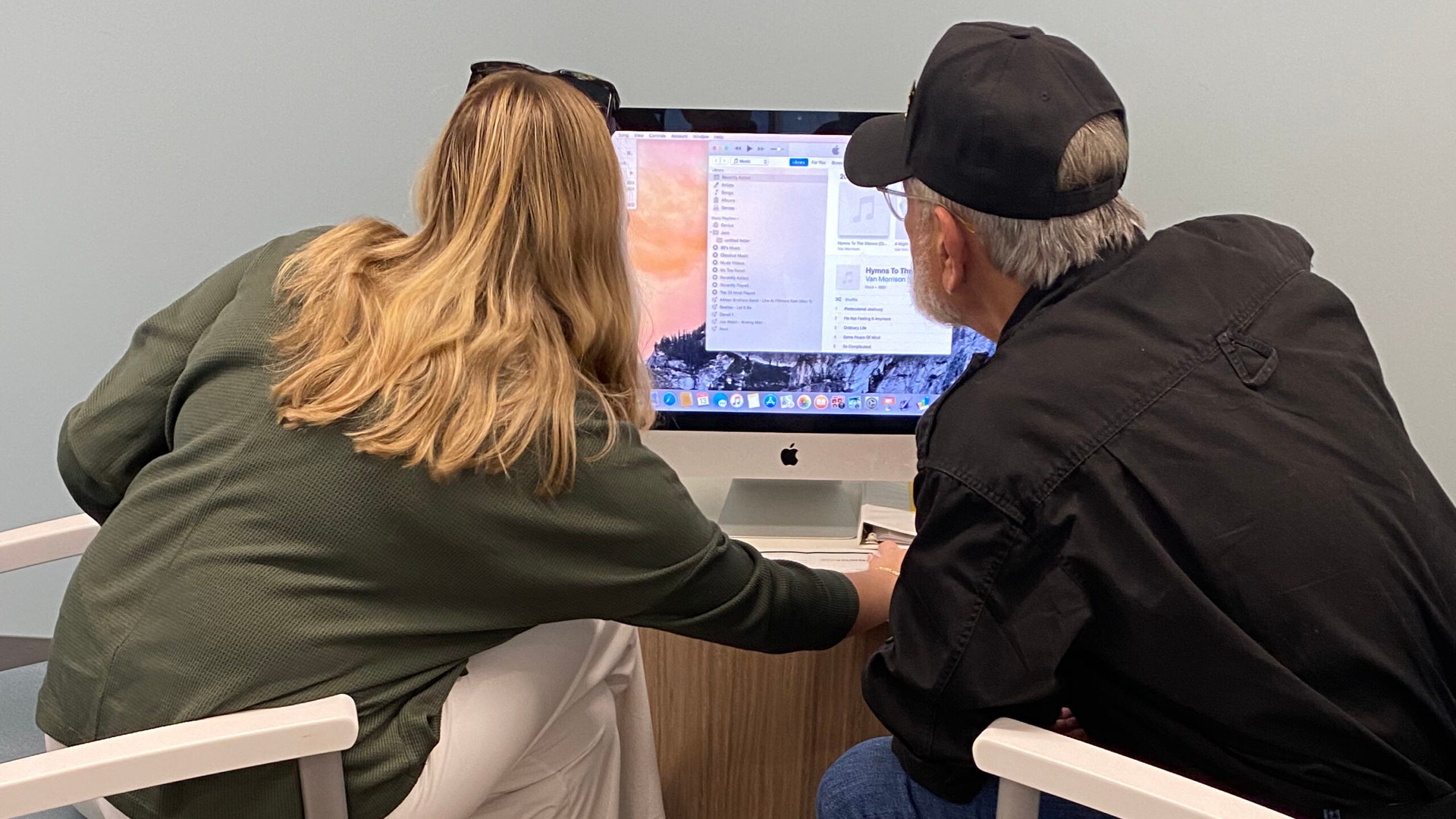
LIFT is an outreach initiative, directed by Lisa McKinney, senior instructor of accounting, that deploys UA students to serve communities in the Tuscaloosa and Birmingham areas. LIFT students engage with CAVC to help veterans navigate the challenges of digital technology, whether accessing VA digital records, pairing a phone with a new car, or creating a spreadsheet to track small business profit and loss.
Senior Ethan Lee, who taught classes for four semesters, recalled the satisfaction he felt in helping veterans face their technology frustrations.
“Within an hour and a half each week, we’ve been able to help them address problems ranging from setting up email and downloading apps to, in one case, helping build a website for a small business,” he said. “Sometimes, they simply want to have an easier way to connect with their children and grandchildren.”
That’s because many veterans are widowers or separated from family by geographical distance. So greater comfort with technology can mean greater connection with loved ones across the globe. CAVC co-founder Dave Burford observes that many of the veterans served may struggle to even power up a new cell phone.
“You know, the grandkids gave an iPhone 17 for Christmas, and it’s still in the box,” he said. “Maybe it’s been charged. They can get that part of it right, but otherwise, it’s daunting.”
“This takes a lot of the mystery out of it.”
“Their” Student, “Their” Veteran
In feedback about the classes, veterans often mention attachment with “their” student, in many cases asking for that specific student again the following week. And it goes in the opposite direction as well, with students promising to see “their” veteran the next week.
These relationships can continue outside of the classroom. Junior Mallory McKenzie, a LIFT class leader, said, “Last year, a veteran asked me to help create a cover for the book she was writing about her son who had passed away. We exchanged numbers afterwards in case she needed anything outside of the class, and it was then that I knew I wanted to volunteer with LIFT long term.”
Beyond Technology
As important as technological training is, there is more at stake than simply acclimating veterans to their phones and computers. In fact, these interactions between students and veterans address the veterans’ basic human needs for care, support and connection.
The benefits seem to run in both directions, with students also gaining satisfaction from helping people they admire.
“Working with the veterans is a great way to give back to people who have sacrificed so much for us,” said sophomore Jack Cornish, a LIFT class leader. “I’ll never forget helping Gail, the first veteran I worked with. What started as 15 minutes of phone help turned into an hour-long conversation with one of the kindest people I’ve ever met.”
Junior Sydney Humphries, who led a class in Tuscaloosa last semester, said, “Mostly, the veterans just wanted someone to talk to. I learned their stories and got to know their hearts. To me, this was much more than a required activity; it was my favorite part of the week. The veterans are so thankful for the time we put into being there for them every week, all the while we are so thankful for the service they provided for our country.”
“If you ever get a chance to work with veterans, do it,” she went on. “You’ll be spending time with real-life heroes.”