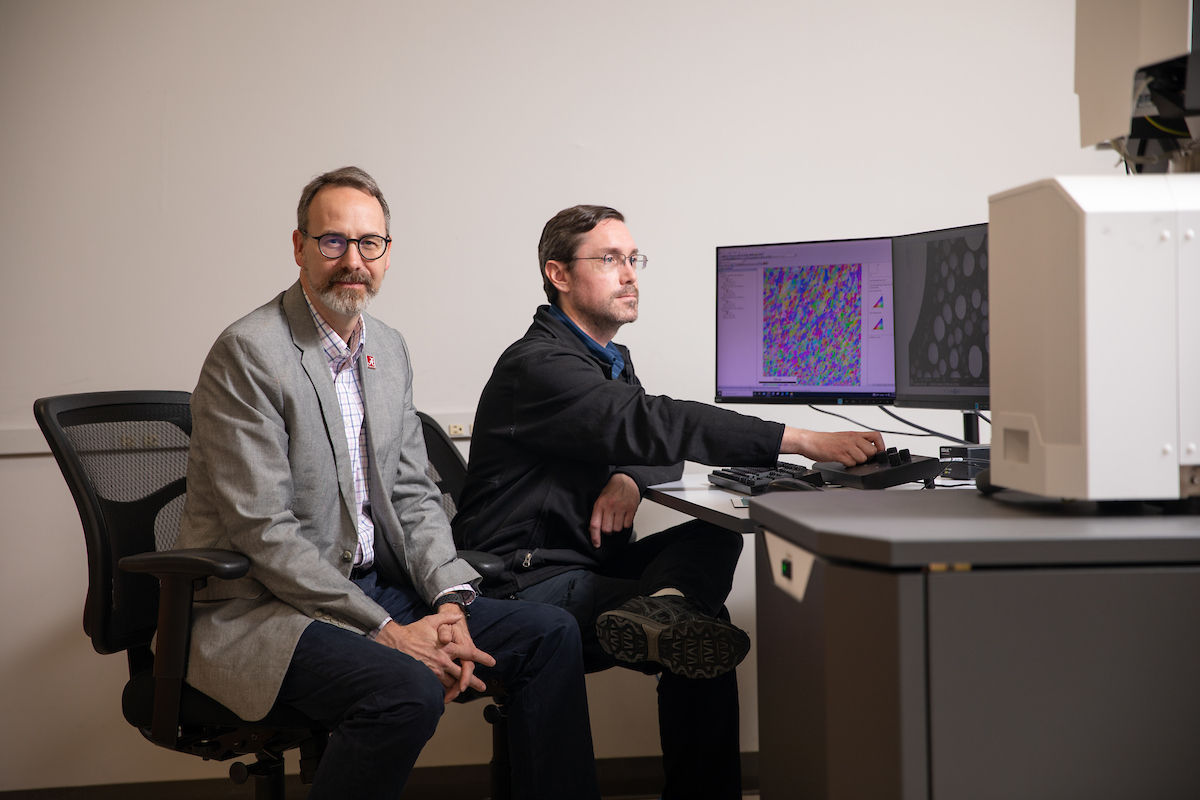
New Microscopes to Position UA as Leader in Materials Characterization
A suite of new instruments focused on understanding materials will give The University of Alabama an elite platform while expanding opportunities for students.
A suite of new instruments focused on understanding materials will give The University of Alabama an elite platform while expanding opportunities for students.

An engineering professor at The University of Alabama was one of fewer than 60 researchers across the country awarded time on some of the world’s most powerful supercomputers.
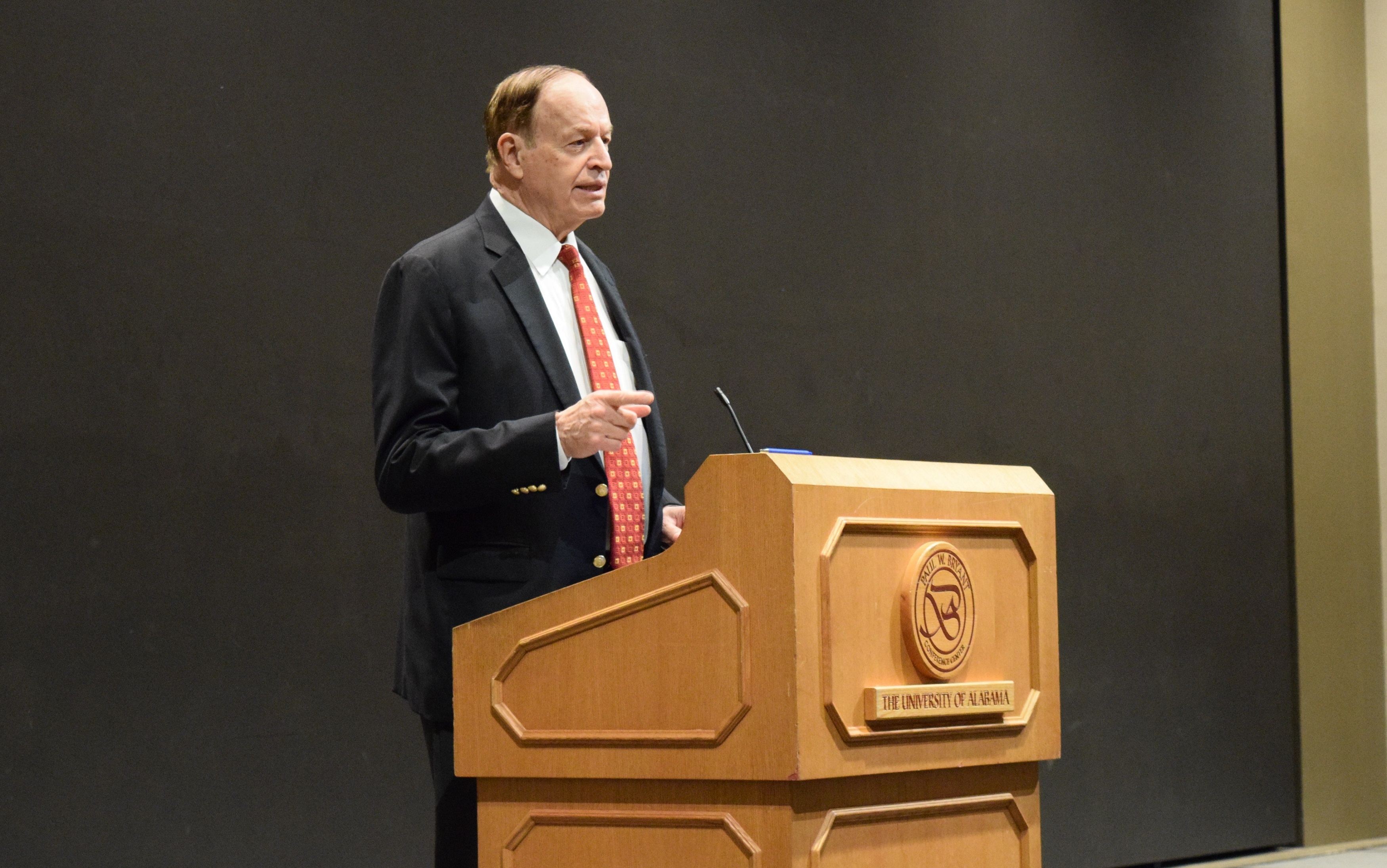
The Cooperative Institute for Research to Operations in Hydrology recently held its inaugural science meeting at The University of Alabama, bringing together water researchers and professionals to establish its future vision and path.
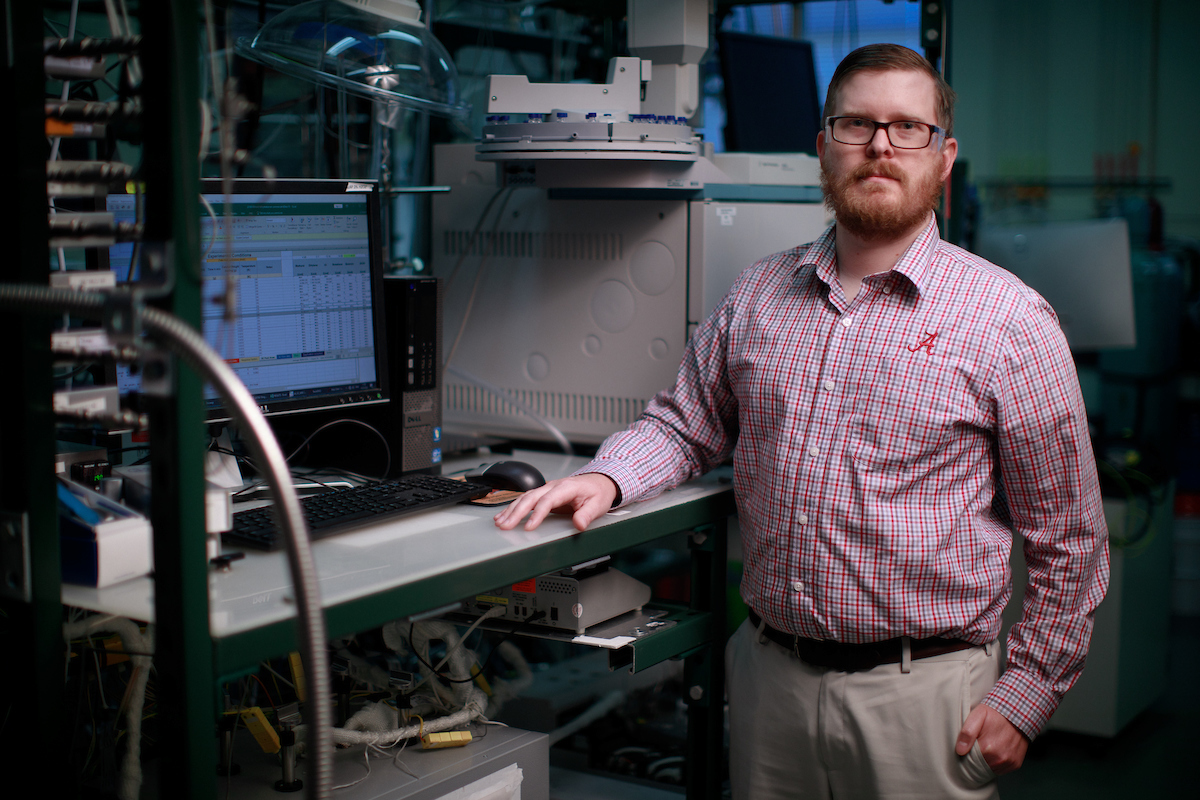
Engineering researchers at The University of Alabama are spearheading a project to demonstrate an innovative method to create jet fuel from plants, helping the airline industry meet goals for using a renewable fuel source and reducing greenhouse gas emissions.
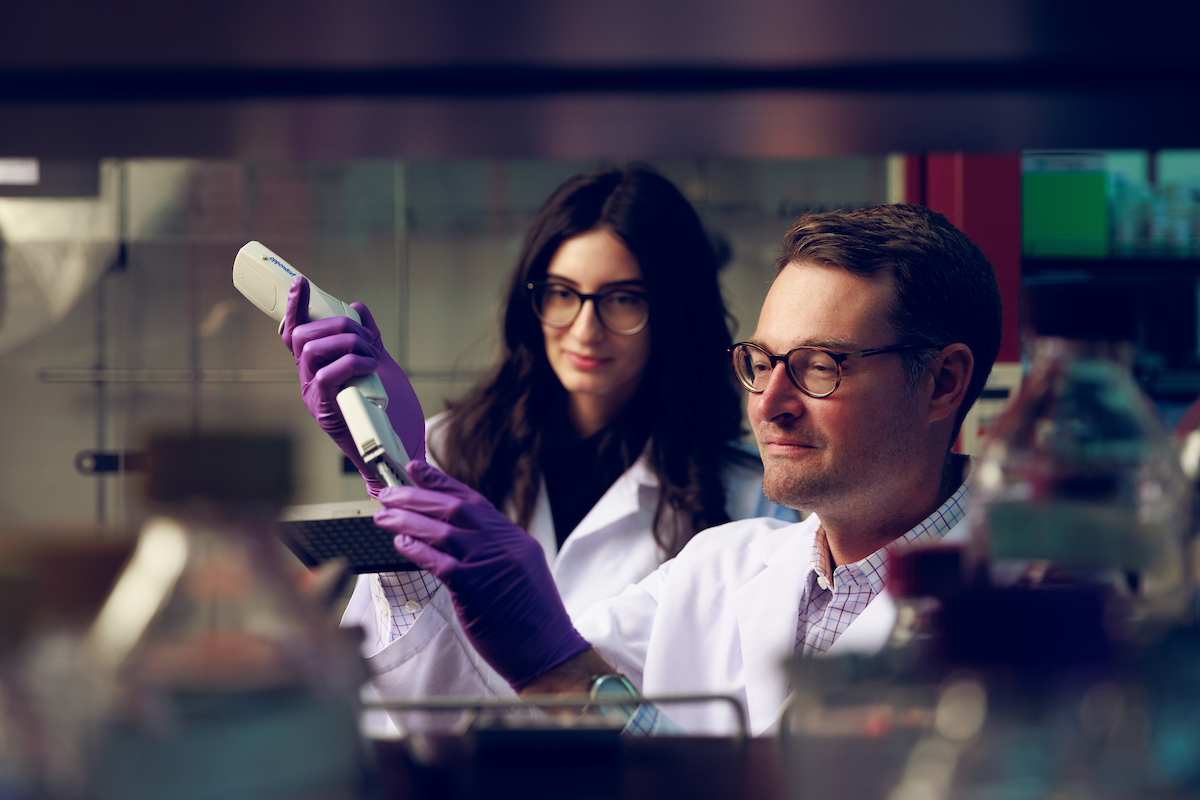
National grants allow each researcher to train and motivate a new generation of scientists and engineers not only at UA through instruction and lab work, but also through outreach efforts.
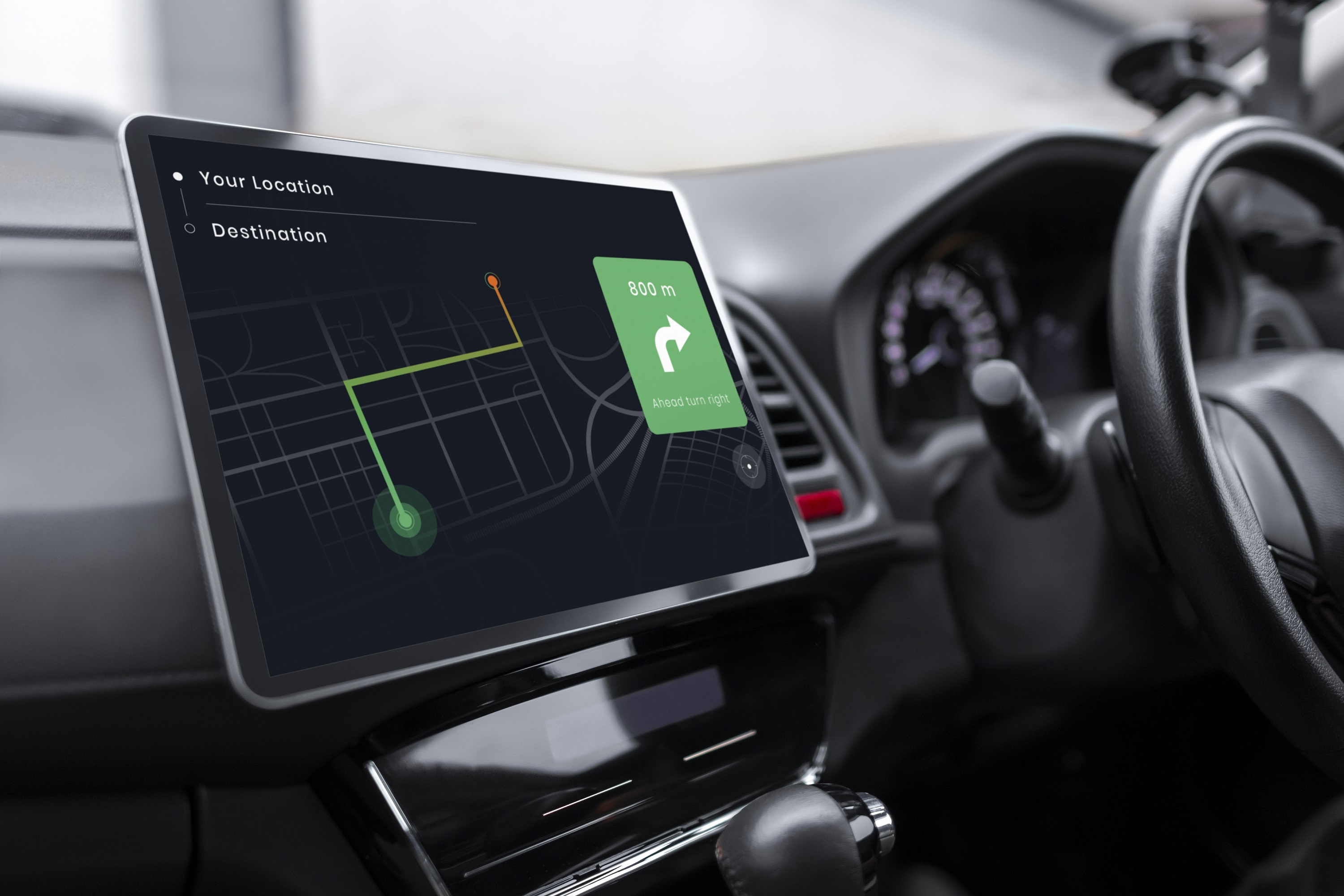
Transportation researchers at The University of Alabama developed a promising, inexpensive system to overcome one challenge of self-driving vehicle technology: GPS hacking that can send a self-driving vehicle to the wrong destination.
The research is exploring minuscule doses of a potent toxin to treat pain without opioids or nerve-block injections.

With nearly $8 million in federal transit funds, The University of Alabama will replace a quarter of its transit system buses with electric buses, reducing emissions and further positioning UA and the region as a hub for the electric vehicle ecosystem.
Dr. Bharat Balasubramanian will take on the additional responsibility of creating and implementing a vision for connected, automated and electric mobility research and elevating the profile of the Alabama Transportation Institute.

The program recognizes UA faculty for outstanding research, extension and education programs that significantly advance UA’s interdisciplinary water-related communities of science.